
Sri Lanka Gems Explained: Why the Island Is Famous for Sapphires
Discover the secret world of Ceylon gems – from royal blue sapphires that captivated princesses to rare cat’s eye stones prized by collectors.
Sri Lanka, historically known as “Ratna-Dweepa” (Gem Island), has been a world-renowned source of precious gemstones for over two millennia. For international travelers, understanding the origin, types, and safe purchasing standards of Sri Lanka gems is essential.
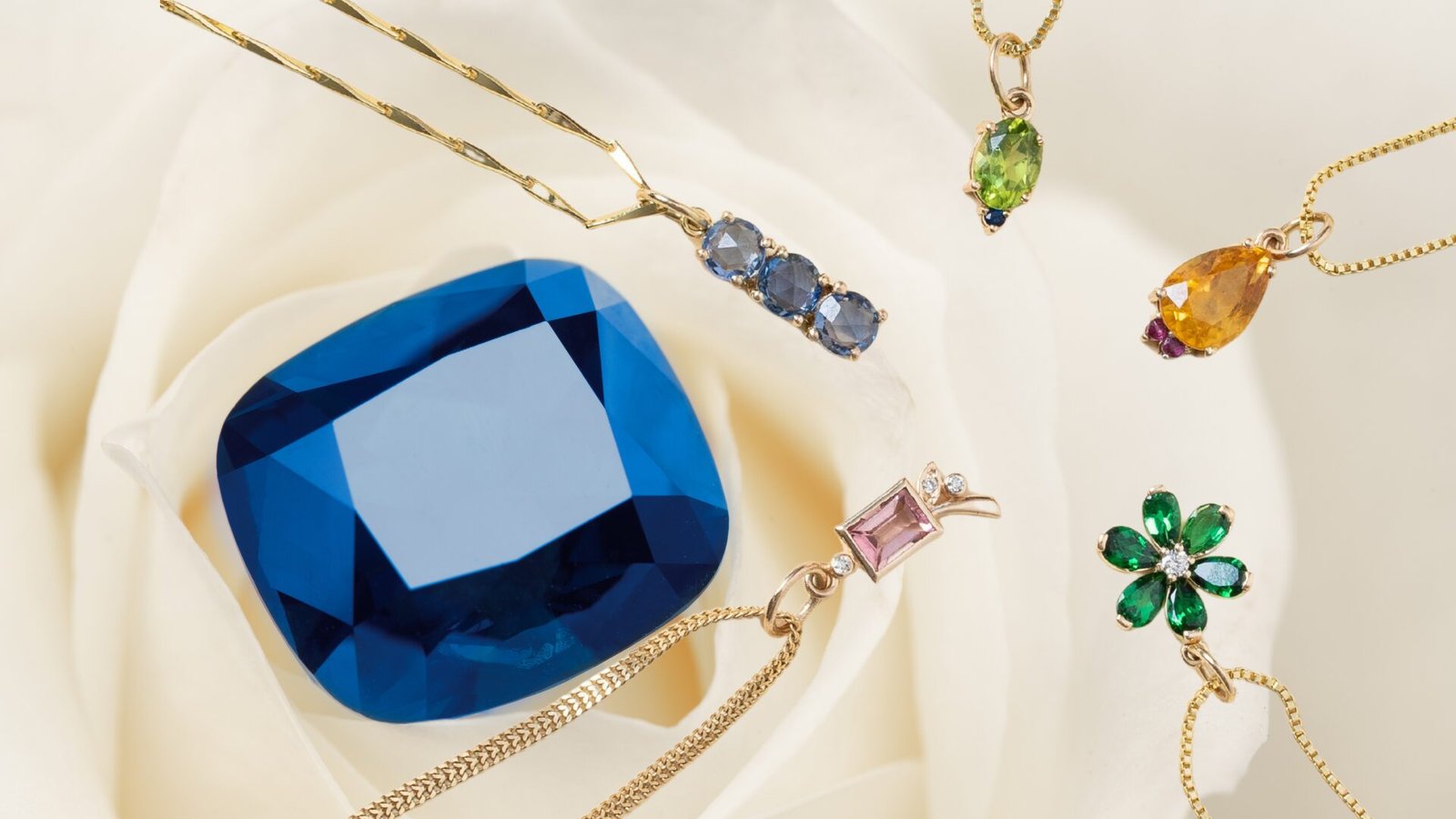
Verified under official trade and tourism standards by the Sri Lanka Tourism Development Authority (SLTDA), this guide covers historical mining regions, famous sapphire varieties, and expert buying tips. For complete island route planning, also explore our companion Sri Lanka Tour Planning Guide.
1. History & Geology of Sri Lanka Gems
The geological formation of Sri Lanka gems is rooted in Precambrian rock formations—some of the oldest on Earth. Alluvial gem gravel layers deposited over millennia across regions like Ratnapura and Elahera make the island a natural treasure trove for collectors seeking authentic Sri Lanka gems.
Ancient Heritage
Gem trading dates back to the 2nd century BC, with ancient Roman, Arab, and Chinese merchants seeking the island’s legendary stones.
Unique Metamorphic Geology
Intense geological heat and pressure deep within Precambrian crust created ideal conditions for rare corundum and crystal formations.
Artisanal Mining
Generations of local miners utilize family-run, sustainable pit-mining methods that preserve the surrounding environment while unearthing world-class treasures.
2. Famous Ceylon Gem Varieties & Sapphires
From vibrant blue corundum to rare color-changing chrysoberyls, acquiring or investing in Sri Lanka gems yields an astonishing array of precious minerals.
Blue Sapphire
Sri Lanka produces 90% of the world’s star sapphires, celebrated for superior clarity and radiant cornflower to royal blue tones.
Ceylon Ruby
Prized for striking “pigeon blood” red hues and exceptional natural transparency without extensive artificial enhancement.
Yellow Sapphire
Known locally as “Pushparaga,” ranging from pale lemon to deep golden hues, highly valued in Vedic astrology.
Alexandrite
An extremely rare chrysoberyl that shifts from emerald green in daylight to rich raspberry red under incandescent light.
Padparadscha
The rarest sapphire variety displaying a breathtaking pinkish-orange sunset glow named after the lotus flower.
Cat’s Eye Chrysoberyl
A mystical gemstone displaying a sharp line of reflected light across its polished cabochon dome.
3. The Royal Connection: Princess Diana’s Ring
The global prestige of Ceylon sapphires soared when Lady Diana Spencer chose a 12-carat oval blue sapphire from Sri Lanka for her engagement ring in 1981—a legacy proudly continued today by Catherine, Princess of Wales.
4. Gem Museum Tour in Kandy
Immerse yourself in the island’s heritage with a gem museum tour showcasing monumental gemstone specimens, interactive mining displays, and live cutting and polishing demonstrations dedicated to Sri Lanka gems.
Star of Lanka
Examine world-class star sapphires exhibiting perfect six-rayed asterism under specialized lighting.
Lapidary Workshops
Watch master craftsmen cut and polish rough stones into brilliant, sparkling masterpieces.
Authentication Labs
Understand professional gemological testing procedures used to verify natural stone origins.
5. Expert Buying Tips & Safe Certification
When purchasing precious stones, always insist on internationally recognized certification (such as GSL or GIA), verify whether stones are natural or heat-treated, and evaluate the Four Cs (Color, Clarity, Cut, Carat) with a trusted expert.
Certification is Essential
Always ask for GSL (Gemological Institute of Sri Lanka) certificate. For high-value stones, GIA or AGL reports are recommended.
Natural vs Treated
Most Sri Lankan sapphires are naturally colored. Heat treatment must be disclosed. Avoid diffusion-treated stones.
The Four Cs of Quality
Evaluate Color, Clarity, Cut, and Carat. Ceylon gems excel in natural clarity.
6. Why Explore Gem Country with a Private Chauffeur
Navigating jewelry districts alone can be overwhelming. A dedicated private chauffeur from CeyGlow Tours ensures seamless, comfortable travel between heritage sites and private exhibitions across the island.