- 2
- 2
- 2
- 2
- 4
- 2
- 3
- 3
- 4
- 1
- Jan
- Feb
- Mar
- Apr
- May
- Jun
- Jul
- Aug
- Sep
- Oct
- Nov
- Dec
- Jan
- Feb
- Mar
- Apr
- May
- Jun
- Jul
- Aug
- Sep
- Oct
- Nov
- Dec
- Jan
- Feb
- Mar
- Apr
- May
- Jun
- Jul
- Aug
- Sep
- Oct
- Nov
- Dec


Polonnaruwa Sri Lanka, the island’s second ancient capital, offers an unforgettable journey into medieval history. Flourishing between the 11th and 13th centuries CE, it showcases a perfect blend of royal grandeur, religious devotion, and advanced urban planning.
With its well-preserved palaces, stupas, temples, and statues, Polonnaruwa invites travelers to explore a city that once thrived as a hub of culture, politics, and Buddhism.
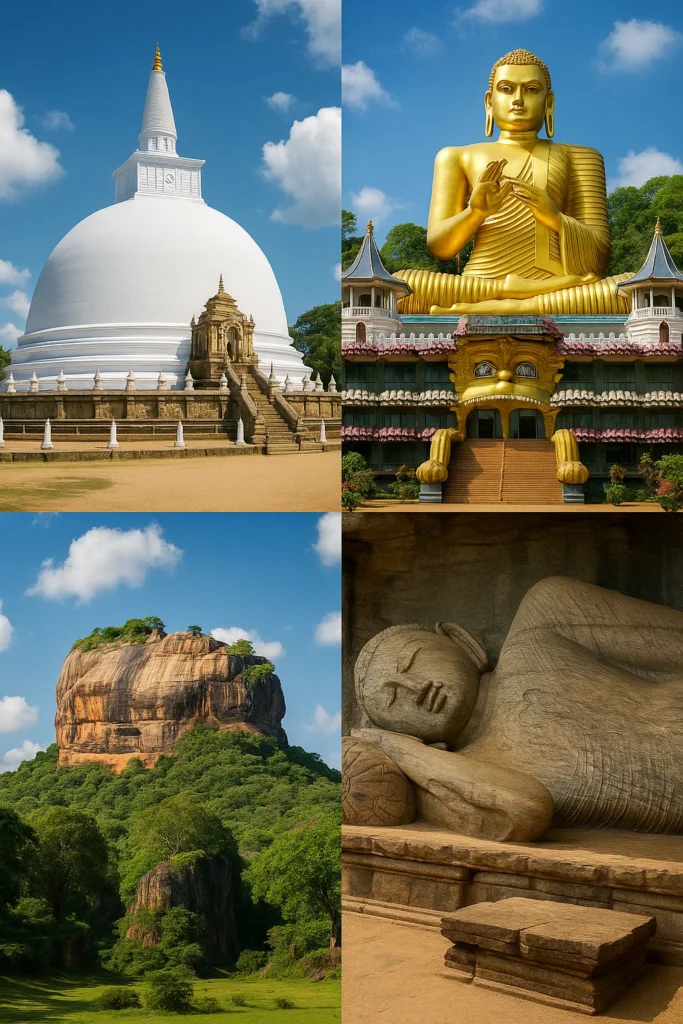
The Gal Vihara is one of Polonnaruwa’s most iconic attractions. Carved out of a single granite rock in the 12th century by King Parakramabahu I, it features four stunning Buddha statues, including a majestic seated figure in meditation. The intricate detail and serene expressions reflect the artistry and spiritual devotion of ancient Sri Lanka.
The circular Polonnaruwa Vatadage was built in the 12th century to protect sacred relics of the Buddha. Its perfectly symmetrical layout, intricately carved moonstones, guardstones, and stone pillars make it a masterpiece of medieval Sri Lankan architecture and a must-visit for history lovers.
The Royal Palace of King Parakramabahu I offers a glimpse into the life of medieval royalty. Constructed in the 12th century, this palace complex includes grand audience halls, living quarters, and advanced water systems, reflecting the sophistication of the Polonnaruwa Kingdom.
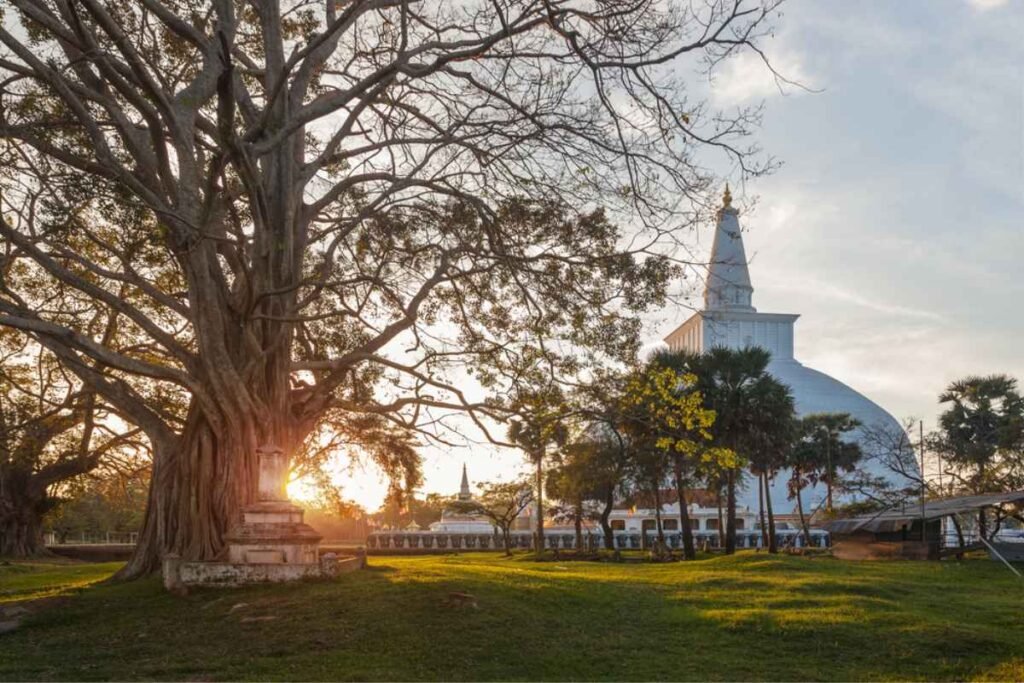
Admire the massive Rankoth Vehera, one of the largest stupas in Polonnaruwa. Built during the 12th century, its enormous dome and elevated platform demonstrate the grandeur of Buddhist architecture and the spiritual devotion of the era.
The Lankatilaka Temple is a remarkable 12th-century structure combining brick and stone. It houses a towering standing Buddha statue and features intricate frescoes, offering visitors a stunning display of Polonnaruwa-era artistry and religious devotion.
The Quadrangle area features several temples and monuments, including the Gal Potha (stone books). Ancient inscriptions here provide fascinating insights into the city’s administration, kings, and Buddhist culture, making it a treasure for history enthusiasts.
The Parakrama Samudra is a massive irrigation reservoir built by King Parakramabahu I. This impressive engineering marvel provided water for agriculture and the city’s population, showcasing the ingenuity and vision of medieval Sri Lankan rulers.